• ฿55,640

CFA Advance Level 1 2026

  • Closed

หลักสูตรนี้ เป็นหลักสูตรการเงินขั้นสูง ระดับแรก จำนวน 198 ชม.ระยะเวลา 20 สัปดาห์ ที่จัดขึ้นในรูปแบบ Group Live Virtual Class เพื่อเตรียมพร้อมผู้เรียนให้มีความพร้อมสูงสุดเพื่อเข้าสู่สนามสอบ Chartered Financial Analyst (CFA) Level 1 เป็นครั้งแรกโดยเฉพาะ

At a glance

1. Course Duration of 4 Months , 198 Hours following changes in 2026 CFA Curriculum 

2. Live Virtual Class ของรุ่นปัจจุบัน + Online Videos ของรุ่นก่อน
3. Cover 93 Learning Module Lectures & 4,000+ Practice Exam Questions
4.เอกสารภาษาอังกฤษ สอนด้วยภาษาไทย
Group Virtual Class Powered by
ขั้นตอนการสมัครเรียน : ท่านสามารถติดต่อครูพิ้งทางบัญชี line ของโรงเรียน เพื่อยืนยันการหลักสูตรที่ต้องการสมัคร และรับ link การชำระเงินค่ะ 

Course Overview :

หลักสูตรนี้ เป็นหลักสูตรการเงินขั้นสูง ระยะเวลา 4-6 เดือน ที่จัดขึ้นเพื่อเตรียมพร้อมผู้เรียนให้มีความพร้อมสูงสุดเพื่อเข้าสู่สนามสอบ Chartered Financial Analyst (CFA) ทั้ง 3 ระดับเป็นครั้งแรกโดยเฉพาะ โดยผู้เรียนจะต้องเริ่มต้นเรียนที่ CFA ระดับที่ 1 และต้องสอบ CFA ให้ผ่านไปทีละระดับ จึงจะมีสิทธิ์เข้าเรียนในระดับต่อไปได้ นอกจากนี้นักเรียนทุกคนจะต้องเป็นผู้ที่สมัครสอบ และ สมัครเรียนให้ตรงกับรอบการสอบของตัวเองเท่านั้น

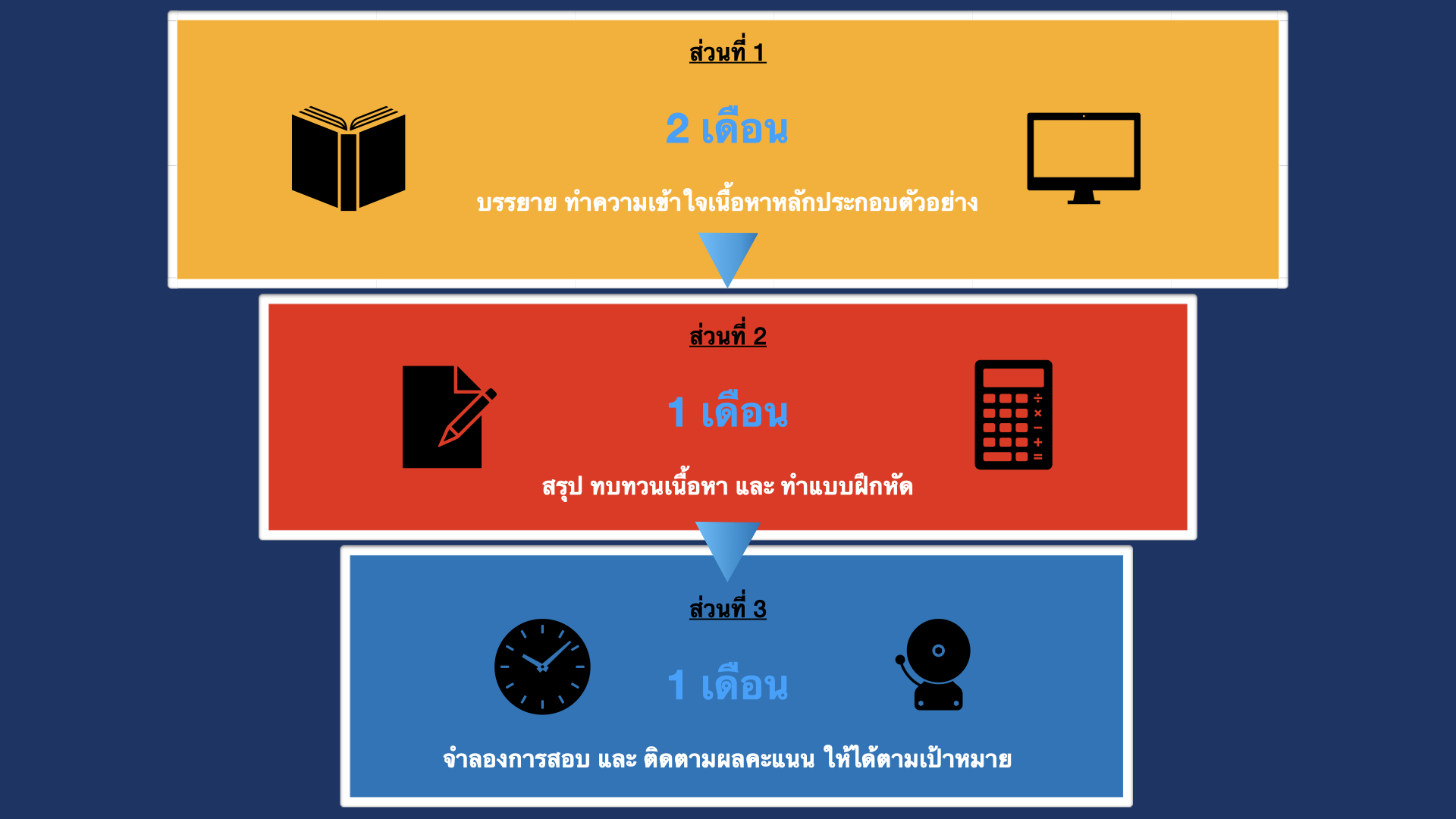
การเรียนการสอนจะแบ่งออกเป็น 3 ส่วนหลัก

ในส่วนที่ 1 : จะเป็นการบรรยายเนื้อหาหลัก ซึ่งจะครอบคลุมเนื้อหาใน Learning Outcome Statements (LOS) ของCFA Institute ที่กำหนด ไว้ในแต่ละระดับ รวมไปถึงตัวอย่างการประยุกต์ใช้ในการใช้งานจริงในทางการเงิน

ในส่วนที่ 2 : เมื่อบรรยายเนื้อหาจบแล้ว นักเรียนจะเริ่มฝึกฝนการทำแบบฝึกหัดในแต่ละหัวข้อโดยเริ่มจาก เพื่อนำความรู้ที่ได้เรียนไปตอนบรรยายมาแปลงให้เป็นความสามารถใน การตอบคำถามได้อย่างถูกต้อง ซึ่งจะเหมือนกับการทบทวนเนื้อหาผ่านวิธีการฝึกทำแบบฝึกหัด การฝึกทำแบบฝึกหัด

ในส่วนที่ 3 : หลักจากฝึกทำแบบฝึกหัดจนชำนาญ โรงเรียนจะเริ่มทำการทดสอบนักเรียนผ่านข้อสอบจำลองและ จับเวลาในการทำโดยเริ่มจากการจับเวลาในการทำข้อสอบชุดเล็กในระยะเวลาสั้นๆ และเพิ่มปริมาณขึ้นจนนักเรียนสามารถทำข้อสอบได้เต็ม 3 ชั่วโมง เช่นเดียวกับวันสอบจริง

Course Advantages :

ข้อดีของคอร์ส CFA Advance 

1. สิ่งแวดล้อมที่เอื้อให้เกิดการเรียนรู้ที่ดี

ห้องเรียนทุกห้องของครูพิ้งมีเอกลักษณ์ของความเป็นกันเองระหว่างเพื่อนร่วมชั้น และ อาจารย์ และ เอาใจใส่นักเรียนสูงสุด นักเรียนที่เข้าเรียนในแต่ละรุ่นนั้นได้รับการคัดกรองมาระดับนึงว่าเป็นผู้ที่เอาจริงในการสอบและจะมีความกระตือรือร้นในการเตรียมตัวสอบเหมือนๆกัน ทำให้เกิดความสนิทสนมช่วยเหลือกันของนักเรียนในแต่ละรุ่นต่อไปแม้จะเรียนจบหลักสูตรไปแล้ว
 
2. อาจารย์ผู้สอนที่มากด้วยประสบการณ์ และ แรงบันดาลใจในการถ่ายทอดความรู้

ทีมอาจารย์ CFA Charterholder ทุกท่านของเรามีชั่วโมงบินที่สูง ทั้งด้านประสบการณ์การทำงานและการเตรียมนักเรียนไปสอบ โดยสามารถให้คำแนะนำที่มีประโยชน์มากมาย กับการนำเนื้อหาที่เรียนไปประยุกต์ใช้งานจริงได้ ทั้งในห้องสอบ และ ในโลกของการลงทุนจริง มีความพร้อมและใจรักที่จะตอบคำถามและแชร์ความรู้กับนักเรียนทุกคนทั้งในและนอกห้องเรียนอย่างเป็นกันเอง
 
3. การจัดตารางเรียนในเชิงกลยุทธ์เพื่อเพิ่มโอกาสการสอบผ่าน

การจัดตารางเรียนของเรา มีจุดประสงค์เพื่อเพิ่มประสิทธิภาพในการเตรียมตัวให้กับนักเรียนสูงสุด ไม่ว่าจะเป็นเรื่องของจำนวนวัน เวลาเรียน และ ความสั้นกระชับของการบรรยาย เพื่อเน้นเวลาให้นักเรียนฝึกทำโจทย์และ Mock Examได้อย่างเพียงพอ นอกจากนี้นักเรียนทุกคนจะได้รับการ Private Consultation จากครูพิ้งและอาจารย์ปิยะแบบตัวต่อตัว เพื่อช่วยวางแผนการอ่านหนังสือตั้งแต่เริ่มต้นอย่างถูกวิธีจนถึงวันสอบ

4. การจัดคลาสเรียนแบบ Virtual Class ในยุค New Normal

ช่วยให้การเรียนเป็นไปอย่างราบรื่นและสะดวกปลอดภัยสำหรับทุกๆฝ่าย ลดเวลาในการเดินทาง และ เพิ่มประสิทธิภาพการเรียนรู้ โดยนักเรียนสามารถ สอบถามข้อสงสัยกับอาจารย์ได้และทำความรู้จักกับเพื่อนๆในคลาส เมื่อเข้าเรียนใน Live Virtual Class 

การออกแบบตารางเรียนจะกระจายชั่วโมงเรียนออกเป็น 2-3 วันต่อสัปดาห์ ซึ่งจะเป็นการช่วยไม่ให้นักเรียนเหนื่อยล้ากับชั่วโมงเรียนที่ยาวนานเกินไป และสามารถทบทวนบทเรียนในเวลาที่สะดวกผ่านทางบทเรียนที่บันทึกการสอนไว้แล้ว รวมถึงสอบถามข้อสงสัยกับอาจารย์ได้อย่างทันท่วงทีเมื่อเข้าเรียนในคลาสสด

The Goal of This Course :

เป้าหมายของการจัดอบรม CFA Advance

  • นักเรียนมีความรู้ความเข้าใจในเนื้อหา และการเตรียมตัวสอบ CFA อย่างถูกวิธี
  • นักเรียนส่วนใหญ่สามารถสอบผ่านในเวลาที่สั้นที่สุด
  • นักเรียนมีโอกาสสร้างเครือข่ายและพัฒนาความสัมพันธ์กับผู้สมัครสอบท่านอื่นๆ
  • นักเรียนได้ค้นพบและพัฒนาความรู้ความสามารถและได้รับโอกาสที่ดีเพิ่มมากขึ้นในการทำงาน และการลงทุนขั้นสูงได้ต่อไปตามความสนใจ

Enrollment Policy :

กลุ่มผู้เข้าอบรม : นอกจากการกำหนดให้ผู้สมัครต้องจบการศึกษาระดับปริญญาตรีสาขาใดก็ได้เป็นอย่างต่ำแล้วนั้น การสอบ CFA จะไม่มีการจำกัด Background ด้านอื่นๆของผู้สมัครสอบอีก โดย นักศึกษาปริญญาตรีจะสามารถเริ่มสมัครสอบ CFA Level 1 ได้ตั้งแต่ก่อนจบการศึกษา 23 เดือน (ปี 2 )แต่จะสามารถสมัครสอบ CFA Level 2 ได้เมื่อเรียนจบแล้วเท่านั้น

อย่างไรก็ดี เนื่องจากหลักสูตรนี้เป็นความรู้ระดับสูง เป็นหลักสูตรที่ผู้เรียนจะต้องเอาจริงในการเตรียมตัวสอบและตัดสินใจสมัครสอบก่อนลงเรียน และมีเวลาเตรียมสอบไม่มากนัก ผู้ที่เหมาะสมจะลงเรียน CFA Advance หากมีพื้นฐานด้านการเงิน การบัญชี การคำนวณ และ ด้านการอ่านภาษาอังกฤษ มาบ้าง ไม่ว่าจะเป็นการจบปริญญาตรงมา หรือ มีประสบการณ์ทำงาน จะช่วยทำให้การเตรียมตัวเป็นไปอย่างมีประสิทธิภาพสูงสุดภายในเวลาที่จำกัด 

สำหรับนักเรียน CFA Advance Level 1 

หากไม่มีความมั่นใจเพียงพอในการเตรียมตัว CFA Level 1 เลยทันที ครูพิ้งขอแนะนำให้พิจารณาปูพื้นฐานด้วยหลักสูตร CFA Starter เป็นอีกทางเลือกหนึ่งก่อนขยับขึ้นเรียน CFA Advance เพื่อช่วยในการปรับตัว และ ปรับพื้นความรู้ ก่อนเปิดคลาส CFA Advance L1 ในแต่ละรอบ


Course Start Date :

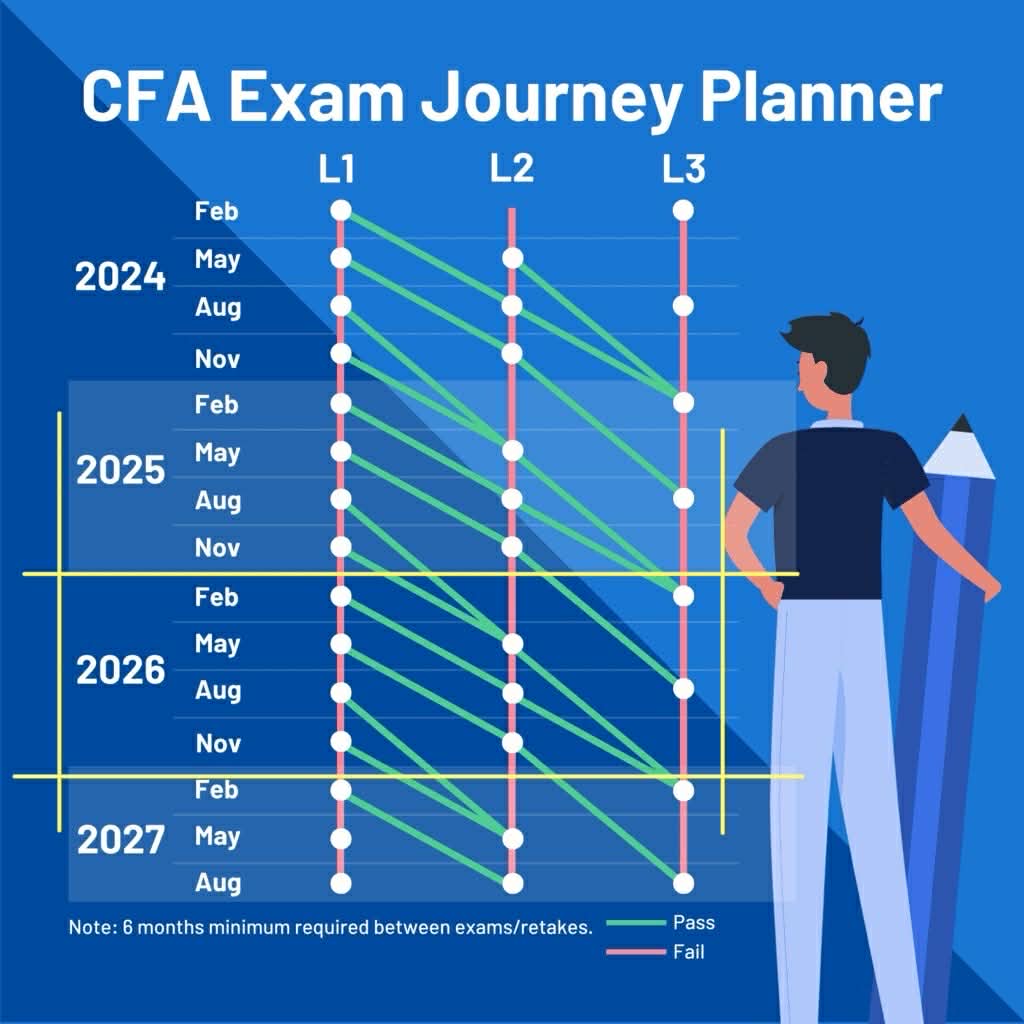
การสอบ CFA Level 1 ในปี 2026 มีทั้งหมด 4 รอบใหญ่ โดยกำหนดให้ผู้สมัครสอบสามารถลงสอบได้ห่างกัน 6 เดือน


(Photo Credit : 300hours.com)

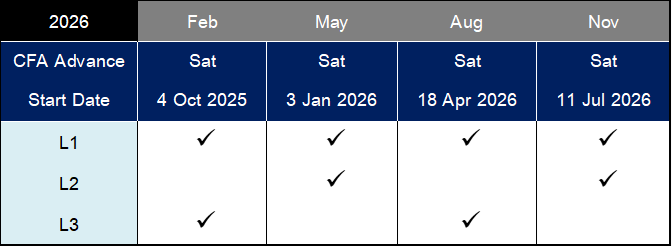
สำหรับรอบการติวสอบ CFA Level 1 ที่ทางโรงเรียนได้เปิดอบรม เป็นการเรียนการสอนแบบกลุ่ม Virtual Class ทั้งหมด 4 รอบ ซึ่งจะเริ่มตามรอบและเวลาในตารางที่กำหนด โดยนักเรียนสามารถเลือกลงเรียนภายใน Cycle ในรอบที่ตรงกับการสมัครสอบของตัวเองได้ใน Scope 4-6 เดือน

หากสนใจศึกษาเรื่องเนื้อหาที่เปลี่ยนแปลงใน CFA L1 Curriculum เพิ่มเติมสามารถอ่านได้จาก FB ของโรงเรียนทางนี้

Change in L1 Curriculum 2026

http://bit.ly/41L1q79


ในกรณีที่ต้องการลงเรียนเร็วกว่านั้น ทางโรงเรียนสามารถนำเสนอ Extended Course Package ที่สามารถลงติว Lecture และ Mock Exam คนละรอบกัน เพื่อช่วยสนับสนุนการเตรียมตัวสอบที่ยืดหยุ่นได้เพิ่มเติมในกรณีพิเศษ
(โปรดกดเพื่อติดต่อ ครูพิ้ง เกี่ยวกับรายละเอียด)

เมื่อนักเรียนสมัครเรียนเรียบร้อย อ.ปิยะจะโทรติดต่อเพื่อนัดทำ Study Plan และ กำหนดวันจัดส่งเอกสาร Print out ให้ภายใน 1 สัปดาห์

CFA Program Course Syllabus
การเรียนการสอนใน หลักสูตร CFA Advance นั้นจะเป็นการเตรียมเนื้อหาภายใต้ วัตถุประสงค์การเรียนรู้ (Learning Outcome Statement หรือ LOS) ของ CFA Institute แห่งประเทศอเมริกา ทั้งหมดเนื่องจากหัวข้อที่จะออกสอบจะถูกกำหนดโดย CFA Institute และเปลี่ยนแปลงใหม่ทุกปี

(CFA Institute Prep Provider Guidelines Program Required Disclaimer : CFA Institute does not endorse, promote, review, or warrant the accuracy or quality of the products or services offered by Pink Training Co.,Ltd or verify or endorse the pass rates claimed by Pink Training Co.,Ltd. CFA Institute, CFA® and Chartered Financial Analyst® are trademarks owned by CFA Institute)

CFA Advance L1 2026 Syllabus

Recommended E-book

Willpower Doesn’t Work_ Discover the Hidden Keys to Success .pdf
Preview
Atomic habits.pdf

2026 L1 Live Class Schedules

CFA Advance Level 1 - Feb 2026 (Sat 4 Oct25 - 1 Feb26)-198 Hrs.pdf
Preview
CFA Advance Level 1 - May 2026 (Sat 3 Jan26 - 3 May26)-198 Hrs.pdf
Preview
CFA Advance Level 1 - Aug 2026 (Sat 18 Apr26 - 16 Aug26)-198Hrs.pdf
Preview
CFA Advance Level 1 - Nov 2026 (Sat 11 Jul26 - 8 Nov26)-198Hrs.pdf
Preview

L1 Advance Study Session 1 : Quantiative Methods (Reading 1-11)

L1 Advance Reading 1 : Rates and Returns
Preview
L1 Advance Reading 2 : The Time Value of Money in Finance
L1 Advance Reading 3 : Statistical Measures of Asset Returns
L1 Advance Reading 4 : Probability Trees and Conditional Expectations
L1 Advance Reading 5 : Portfolio Mathematics
L1 Advance Reading 6 : Simulation Methods
L1 Advance Reading 7 : Estimation and Inference
L1 Advance Reading 8 : Hypothesis Testing
L1 Advance Reading 9 : Parametric and Non-Parametric Tests of Independence
L1 Advance Reading 10 : Introduction to Linear Regression
L1 Advance Reading 11 : Introduction to Big Data Techniques

L1 Advance Study Session 2 : Economics (Reading 12-19)

L1 Advance Reading 12 : The Firm and Market Structures
L1 Advance Reading 13 : Understanding Business Cycles
L1 Advance Reading 14 : Fiscal Policy
L1 Advance Reading 15 : Monetary Policy
L1 Advance Reading 16 : Introduction to Geopolitics
L1 Advance Reading 17 : International Trade
L1 Advance Reading 18 : Capital Flows and the FX Market
L1 Advance Reading 19 : Exchange Rate Calculations

L1 Advance Study Session 3 : Corporate Issuers (Reading 20-26)

L1 Advance Reading 20 : Organizational Forms, Corporate Issuer Features, and Ownership
L1 Advance Reading 21 : Investors and Other Stakeholders
L1 Advance Reading 22 : Corporate Governance: Conflicts, Mechanisms, Risks, and Benefits
L1 Advance Reading 23 : Working Capital and Liquidity
L1 Advance Reading 24 : Capital Investments and Capital Allocations
L1 Advance Reading 25 : Capital Structure
L1 Advance Reading 26 : Business Models

L1 Advance Study Session 4 : Financial Reporting and Analysis (Reading 27-38)

L1 Advance Reading 27 : Introduction to Financial Statement Analysis
L1 Advance Reading 28 : Analyzing Income Statements
L1 Advance Reading 29 : Analyzing Balance Sheets
L1 Advance Reading 30 : Analyzing Statements of Cash Flows I
L1 Advance Reading 31 : Analyzing Statements of Cash Flows II
L1 Advance Reading 32 : Analysis of Inventories
L1 Advance Reading 33 : Long-Lived Assets
L1 Advance Reading 34 : Topics in Long-Term Liabilities and Equity
L1 Advance Reading 35 : Income Taxes
L1 Advance Reading 37 : Financial Analysis Techniques
L1 Advance Reading 38 : Financial Statement Modeling

L1 Advance Study Session 5 : Equity Investments (Reading 39-46)

L1 Advance Reading 39 : Market Organization and Structure
L1 Advance Reading 40 : Security Market Indices
L1 Advance Reading 41 : Market Efficiency
L1 Advance Reading 42 : Overview of Equity Securities
L1 Advance Reading 43 : Company Analysis: Past and Present
L1 Advance Reading 44 : Industry and Competitive Analysis
L1 Advance Reading 45 : Company Analysis: Forecasting
L1 Advance Reading 46 : Equity Valuation: Concepts and Basic Tools

L1 Advance Study Session 6 : Fixed Income (Reading 47-65)

L1 Advance Reading 47 : Fixed-Income Instrument Features
L1 Advance Reading 48 : Fixed-Income Cash Flows and Types
L1 Advance Reading 49 : Fixed Income Issuance and Trading
L1 Advance Reading 50 : Fixed-Income Markets for Corporate Issuers
L1 Advance Reading 51 : Fixed-Income Markets for Government Issuers
L1 Advance Reading 52 : Fixed-Income Bond Valuation: Prices and Yields
L1 Advance Reading 53 : Yield and Yield Spread Measures for Fixed-Rate Bonds
L1 Advance Reading 54 : Yield and Yield Spread Measures for Floating-Rate Instruments
L1 Advance Reading 55 : The Term Structure of Interest Rates: Spot, Par, and Forward Curves
L1 Advance Reading 56 : Interest Rate Risk and Return
L1 Advance Reading 57 : Yield-Based Bond Duration Measures and Properties
L1 Advance Reading 58 : Yield-Based Bond Convexity and Portfolio Properties
L1 Advance Reading 59 : Curve-Based and Empirical Fixed-Income Risk Measures
L1 Advance Reading 60 : Credit Risk
L1 Advance Reading 61 : Credit Analysis of Government Issuers
L1 Advance Reading 62 : Credit Analysis for Corporate Issuers
L1 Advance Reading 63 : Fixed-Income Securitization
L1 Advance Reading 64 : Asset-Backed Security (ABS) Instrument and Market Features
L1 Advance Reading 65 : Mortgage-Backed Security (MBS) Instrument and Market Features

L1 Advance Study Session 7 : Derivatives (Reading 66-75)

L1 Advance Reading 66 : Derivative Instruments and Derivative Features
L1 Advance Reading 67 : Forward Commitment and Contingent Claim Features and Instruments
L1 Advance Reading 68 : Derivative Benefits, Risks, and Issuer and Investor Uses
L1 Advance Reading 69 : Arbitrage, Replication, and the Cost of Carry in Pricing Derivatives
L1 Advance Reading 70 : Pricing and Valuation of Forward Contracts and for an Underlying with Varying Maturities
L1 Advance Reading 71 : Pricing and Valuation of Futures Contracts
L1 Advance Reading 72 : Pricing and Valuation of Interest Rates and Other Swaps
L1 Advance Reading 73 : Pricing and Valuation of Options
L1 Advance Reading 74 : Option Replication Using Put-Call Parity
L1 Advance Reading 75 : Valuing a Derivative Using a One-Period Binomial Model

L1 Advance Study Session 8 : Alternative Investment (Reading 76-82)

L1 Advance Reading 76 : Alternative Investment Features, Methods, and Structures
L1 Advance Reading 77 : Alternative Investment Performance and Returns
L1 Advance Reading 78 : Investments in Private Capital: Equity and Debt
L1 Advance Reading 79 : Real Estate and Infrastructure
L1 Advance Reading 80 : Natural Resources
L1 Advance Reading 81 : Hedge Funds
L1 Advance Reading 82 : Introduction to Digital Assets

L1 Advance Study Session 9 : Portfolio Management (Reading 83-88)

L1 Advance Reading 83 : Portfolio Risk and Return: Part 1
L1 Advance Reading 84 : Portfolio Risk and Return: Part 2
L1 Advance Reading 85 : Portfolio Management: An Overview
L1 Advance Reading 86 : Basics of Portfolio Planning and Construction
L1 Advance Reading 87 : The Behavioural Biases of Individuals
L1 Advance Reading 88 : Introduction to Risk Management

L1 Advance Summary

L1 Advance Summary Reading 1 : Rates and Returns
L1 Advance Summary Reading 2 : The Time Value of Money in Finance
L1 Advance Summary Reading 3 : Statistical Measures of Asset Returns
L1 Advance Summary Reading 4 : Probability Trees and Conditional Expectations
L1 Advance Summary Reading 5 : Portfolio Mathematics
L1 Advance Summary Reading 6 : Simulation Methods
L1 Advance Summary Reading 7 : Estimation and Inference
L1 Advance Summary Reading 8 : Hypothesis Testing
L1 Advance Summary Reading 9 : Parametric and Non-Parametric Tests of Independence
L1 Advance Summary Reading 10 : Simple Linear Regression
L1 Advance Summary Reading 11 : Introduction to Big Data Techniques
L1 Advance Summary Reading 12 : Firms and Market Structures
L1 Advance Summary Reading 13 : Understanding Business Cycles
L1 Advance Summary Reading 14 : Fiscal Policy
L1 Advance Summary Reading 15 : Monetary Policy
L1 Advance Summary Reading 16 : Introduction to Geopolitics
L1 Advance Summary Reading 17 : International Trade
L1 Advance Summary Reading 18 : Capital Flows and the FX Market
L1 Advance Summary Reading 19 : Exchange Rate Calculations
L1 Advance Summary Reading 20 : Organizational Forms, Corporate Issuer Features, and Ownership
L1 Advance Summary Reading 21 : Investors and Other Stakeholders
L1 Advance Summary Reading 22 : Corporate Governance: Conflicts, Mechanisms, Risks, and Benefits
L1 Advance Summary Reading 23 : Working Capital and Liquidity
L1 Advance Summary Reading 24 : Capital Investments and Capital Allocations
L1 Advance Summary Reading 25 : Capital Structure
L1 Advance Summary Reading 26 : Business Models
L1 Advance Summary Reading 27 : Introduction to Financial Statement Analysis
L1 Advance Summary Reading 28 : Analyzing Income Statements
L1 Advance Summary Reading 29 : Analyzing Balance Sheets
L1 Advance Summary Reading 30 : Analyzing Statements of Cash Flows I
L1 Advance Summary Reading 31 : Analyzing Statements of Cash Flows II
L1 Advance Summary Reading 32 : Analysis of Inventories
L1 Advance Summary Reading 33 : Analysis of Long-Term Assets
L1 Advance Summary Reading 34 : Topics in Long-Term Liabilities and Equity
L1 Advance Summary Reading 35 : Analysis of Income Taxes
L1 Advance Summary Reading 36 : Financial Reporting Quality
L1 Advance Summary Reading 37 : Financial Analysis Techniques
L1 Advance Summary Reading 38 : Introduction to Financial Statement Modeling
L1 Advance Summary Reading 39 : Market Organization and Structure
L1 Advance Summary Reading 40 : Security Market Indexes
L1 Advance Summary Reading 41 : Market Efficiency
L1 Advance Summary Reading 42 : Overview of Equity Securities
L1 Advance Summary Reading 43 : Company Analysis: Past and Present
L1 Advance Summary Reading 44 : Industry and Company Analysis
L1 Advance Summary Reading 45 : Company Analysis: Forecasting
L1 Advance Summary Reading 46 : Equity Valuation: Concepts and Basic Tools
L1 Advance Summary Reading 47 : Fixed-Income Instrument Features
L1 Advance Summary Reading 48 : Fixed-Income Cash Flows and Types
L1 Advance Summary Reading 49 : Fixed Income Issuance and Trading
L1 Advance Summary Reading 50 : Fixed-Income Markets for Corporate Issuers
L1 Advance Summary Reading 51 : Fixed-Income Markets for Government Issuers
L1 Advance Summary Reading 52 : Fixed-Income Bond Valuation: Prices and Yields
L1 Advance Summary Reading 53 : Yield and Yield Spread Measures for Fixed-Rate Bonds
L1 Advance Summary Reading 54 : Yield and Yield Spread Measures for Floating-Rate Instruments
L1 Advance Summary Reading 55 : The Term Structure of Interest Rates: Spot, Par, and Forward Curves
L1 Advance Summary Reading 56 : Interest Rate Risk and Return
L1 Advance Summary Reading 57 : Yield-Based Bond Duration Measures and Properties
L1 Advance Summary Reading 58 : Yield-Based Bond Convexity and Portfolio Properties
L1 Advance Summary Reading 59 : Curve-Based and Empirical Fixed-Income Risk Measures
L1 Advance Summary Reading 60 : Credit Risk
L1 Advance Summary Reading 61 : Credit Analysis of Government Issuers
L1 Advance Summary Reading 62 : Credit Analysis for Corporate Issuers
L1 Advance Summary Reading 63 : Fixed-Income Securitization
L1 Advance Summary Reading 64 : Asset-Backed Security (ABS) Instrument and Market Features
L1 Advance Summary Reading 65 : Mortgage-Backed Security (MBS) Instrument and Market Features
L1 Advance Summary Reading 66 : Derivative Instrument and Derivative Market Features
L1 Advance Summary Reading 67 : Forward Commitment and Contingent Claim Features and Instruments
L1 Advance Summary Reading 68 : Derivative Benefits, Risks, and Issuer and Investor Uses
L1 Advance Summary Reading 69 : Arbitrage, Replication, and the Cost of Carry in Pricing Derivatives
L1 Advance Summary Reading 70 : Pricing and Valuation of Forward Contracts and for an Underlying with Varying Maturities
L1 Advance Summary Reading 71 : Pricing and Valuation of Futures Contracts
L1 Advance Summary Reading 72 : Pricing and Valuation of Interest Rates and Other Swaps
L1 Advance Summary Reading 73 : Pricing and Valuation of Options
L1 Advance Summary Reading 74 : Option Replication Using Put-Call Parity
L1 Advance Summary Reading 75 : Valuing a Derivative Using a One-Period Binomial Model
L1 Advance Summary Reading 76 : Alternative Investment Features, Methods, and Structures
L1 Advance Summary Reading 77 : Alternative Investment Performance and Returns
L1 Advance Summary Reading 78 : Investments in Private Capital: Equity and Debt
L1 Advance Summary Reading 79 : Real Estate and Infrastructure
L1 Advance Summary Reading 80 : Natural Resources
L1 Advance Summary Reading 81 : Hedge Funds
L1 Advance Summary Reading 82 : Introduction to Digital Assets
L1 Advance Summary Reading 83 : Portfolio Risk and Return, Part I
L1 Advance Summary Reading 84 : Portfolio Risk and Return, Part II
L1 Advance Summary Reading 85 : Portfolio Management: An Overview
L1 Advance Summary Reading 86 : Basics of Portfolio Planning and Construction
L1 Advance Summary Reading 87 : The Behavioral Biases of Individuals
L1 Advance Summary Reading 88 : Introduction to Risk Management
L1 Advance Summary Reading 89 : Ethics & Trust in the Investment Profession
L1 Advance Summary Reading 90 & 91 : Code of Ethics & Standards of Professional Conduct+Guidance for Standards I–VII
L1 Advance Summary Reading 92 : Introduction to the Global Investment Performance Standards (GIPS)

L1 Advance Mock Exams Q&A

L1 Advance Mock Exam 1 : 1 First Session
L1 Advance Mock Exam 2 : 1 Second Session
L1 Advance Mock Exam 3 : 2 First Session
L1 Advance Mock Exam 4 : 2 Second Session
L1 Advance Mock Exam 5 : 3 First Session
L1 Advance Mock Exam 6 : 3 Second Session
L1 Advance Mock Exam 7 : 4 First Session
L1 Advance Mock Exam 8 : 4 Second Session
L1 Advance Mock Exam 9 : 1 First Session (2024)
L1 Advance Mock Exam 10 : 1 Second Session (2024)
L1 Advance Mock Exam 11 : 2 First Session (2024)
L1 Advance Mock Exam 12 : 2 Second Session (2024)
L1 Advance Mock Exam 13 : 3 First Session (2024)
L1 Advance Mock Exam 14 : 3 Second Session (2024)
L1 Advance Mock Exam 15 : 4 First Session (2024)

All Bundle Related to CFA Advance L1